Maresca's Public Critique Puts Chelsea Future in Doubt, Carragher Predicts Exit
Introduction: A Public Statement Sparks Speculation
The relationship between a football manager and a club's board is a delicate balance of private negotiations and public unity. When that balance tips into open critique, the consequences can be swift and severe. Recently, Chelsea head coach Enzo Maresca crossed that line, making cryptic but pointed comments about a lack of support from certain quarters within the club. His decision to voice these frustrations publicly has not gone unnoticed, drawing sharp analysis from pundits and casting a long shadow over his future at Stamford Bridge. Liverpool legend and prominent Sky Sports analyst Jamie Carragher has been particularly vocal, stating bluntly that he does not expect Maresca to be managing Chelsea when the next season kicks off. This situation opens a window into the modern power dynamics at top football clubs, where the traditional "manager" role has often been replaced by a "head coach" operating within a structured hierarchy led by sporting directors.
The Catalyst: Maresca's "Worst 48 Hours" Comments
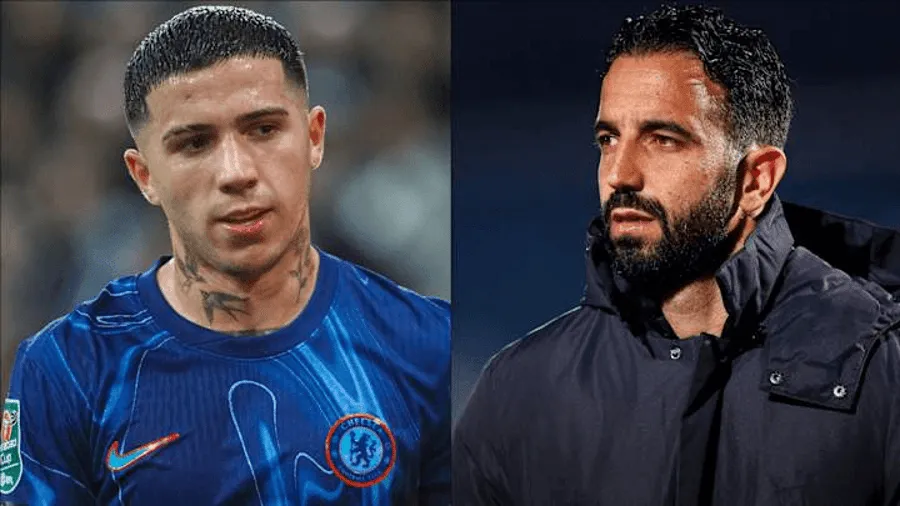
The current controversy stems from comments made by Enzo Maresca following Chelsea's 2-0 Premier League victory over Everton. Despite the positive result, the Italian chose to focus on the period leading up to the match, which he described as "the worst 48 hours" since his arrival at the club. He elaborated that during this difficult time, he and his players did not feel adequately supported, though he notably confirmed this criticism was not directed at the fanbase.
In a subsequent press conference ahead of a Carabao Cup fixture, Maresca repeatedly declined to clarify or retract his statements. When pressed for details on who exactly had failed to provide support, he offered no further explanation, simply stating he had "nothing to add" and that the matter was "finished". This refusal to diffuse the situation was seen by many, including Jamie Carragher, as a telling sign of underlying conflict. Carragher interpreted the silence as confirmation, arguing, "It's not uncertain who he's talking about... he's speaking about the owner and the sporting directors".
Jamie Carragher's Analysis: A "Big Problem" and a Predicted Departure
Jamie Carragher, known for his direct and insightful commentary, has framed Maresca's actions as a significant strategic error with likely severe repercussions for his job security.
- A Dangerous Public Play: Carragher's central criticism is that Maresca chose to bring an internal grievance into the public domain. He compares it to similar situations involving players, like Mohamed Salah's past public expressions of discontent at Liverpool, noting that such matters should be handled privately. "I don't like people going public, whether it is a manager or a player. You sort it in-house," Carragher stated. He views public criticism of ownership as a "big problem" that fundamentally destabilizes the working relationship.
- The Inevitable Outcome of a Power Struggle: Carragher interprets Maresca's comments as the opening move in a "bit of a power play," a common occurrence when a coach who initially accepts a club's structure begins to feel empowered by success and seeks greater influence over matters like transfers. Carragher is pessimistic about the manager's chances in such a clash, bluntly predicting, "If he continues like this, there will only be one winner, and it's not him". This has led to his firm conclusion: "I don't think Maresca's manager at Chelsea next season".
- Acknowledgment of Ability, But Criticism of Approach: Importantly, Carragher's critique is not of Maresca's coaching ability. He has consistently praised the Italian as a "top coach" who is "more than capable tactically," having proven himself against elite managers and in high-pressure Champions League matches. This distinction makes his prediction of Maresca's departure more a critique of club politics than of footballing philosophy.
Root Causes: Unmet Expectations and Structural Tensions
Maresca's frustration, while poorly communicated publicly, is understood to stem from tangible issues. Analysts point to a growing disconnect between the head coach's expectations and the decisions made by the club's sporting directors.
- The Unaddressed Squad Gap: A primary source of tension was Chelsea's decision not to enter the transfer market for a center-back during the summer, following a serious injury to key defender Levi Colwill. For a manager, such a decision can feel like a lack of backing, especially when it leaves a visible weakness in the squad.
- The "Head Coach" vs. "Manager" Dynamic: Carragher identifies this as a classic modern football conflict. Maresca arrived at Chelsea as a "head coach," operating within a predefined structure led by sporting directors Paul Winstanley and Laurence Stewart. After a successful first season that delivered Champions League qualification and cup trophies, Maresca appears to feel he has earned more authority. This natural desire for increased control often collides with the club's established model, creating friction.
The following table summarizes the key points of tension in the situation:
| Aspect | Maresca's Likely Perspective | Club Hierarchy's Perspective |
|---|---|---|
| Squad Building | Frustration at not signing a needed center-back after Colwill's injury. | Adherence to a broader transfer strategy and financial model that may not align with short-term coach requests. |
| Public Communication | Using media pressure to highlight perceived lack of support and force change. | Expecting internal resolution of disputes; public comments are seen as damaging and disloyal. |
| Role & Power | A successful coach deserving of more influence over football decisions. | A head coach employed to work within a director-led structure, with roles clearly separated. |
Broader Context: Carragher's Views on Managerial Pressure and Player Responsibility
This incident reflects a consistent theme in Jamie Carragher's punditry: his views on accountability and the dynamics of a football club. While analyzing other teams, he has emphasized that the manager is not always the sole source of problems.
- Focus on Player Accountability: In his analysis of Liverpool's struggles, Carragher has repeatedly shifted focus onto the players, expressing "anger" at their performances and questioning whether some are truly capable of playing for a club with such high ambitions. He argues that when legendary core players like Mohamed Salah and Virgil van Dijk decline, others must step up—a failure to do so is "unacceptable for Liverpool Football Club".
- Structural vs. Personnel Issues: Similarly, when discussing Liverpool's defensive woes, Carragher has argued that simply signing a new center-back doesn't solve underlying tactical issues related to team structure and balance. This mirrors the Chelsea situation, where the conflict is less about a single player and more about the overarching structure and communication between the coaching and executive branches.
Potential Fallout and the Road Ahead for Chelsea
The standoff leaves Chelsea at a crossroads. While a mid-season dismissal seems unlikely given the team's respectable league position, the trust between the head coach and the board appears fractured.
- Possible Outcomes: The club could seek to mend the relationship privately, potentially offering assurances over future transfer activity. However, Carragher's prediction suggests the more likely path is a separation at the season's end. Chelsea's owners may decide that a head coach who publicly challenges the model is not a sustainable fit.
- A Cautionary Tale for Modern Clubs: This saga serves as a case study for the modern game. As Carragher notes, Chelsea is a coveted job, and the club may feel confident in finding a replacement. However, he also cautions that finding someone better than the capable Maresca is not guaranteed, pointing to struggles at rivals like Manchester United and Tottenham as examples of how managerial changes can backfire. The coming months will reveal whether this public rift proves to be a reparable disagreement or the beginning of the end for Enzo Maresca's tenure at Stamford Bridge.
Conclusion
Enzo Maresca's decision to publicly comment on a lack of internal support has triggered a serious professional crisis. Jamie Carragher, analyzing the situation, sees it as a fundamental breakdown in the manager-club relationship, one that typically ends with the coach's departure. While Maresca's coaching credentials are not in doubt, his political maneuver—intended or not—has painted him into a corner. Whether this dispute leads to a change in Chelsea's operational model, a change in head coach, or an uneasy truce, it underscores a central tension in contemporary football: the struggle for power and voice between the tactician on the bench and the executives in the boardroom. The outcome at Stamford Bridge will be closely watched as a benchmark for how modern clubs navigate these increasingly common conflicts.